Universities in Zimbabwe: A Comprehensive Guide
Introduction to Higher Education in Zimbabwe
Zimbabwe, located in Southern Africa, boasts a robust and diverse higher education system. The country is home to several reputable universities offering undergraduate, graduate, and doctoral programs across various fields. Despite facing challenges in recent years, Zimbabwe’s higher education sector continues to grow and improve, attracting students both locally and from neighboring countries.
Zimbabwe’s universities are committed to providing high-quality education and fostering research, innovation, and global collaboration. Studying in Zimbabwe provides students with access to world-class educational opportunities in a country rich in culture, history, and natural beauty.
Overview of the Education System in Zimbabwe
Zimbabwe’s higher education system is made up of both public and private universities, offering a broad range of programs in disciplines such as business, engineering, medicine, social sciences, and the humanities. The education system in Zimbabwe is largely influenced by the British colonial legacy, but universities are increasingly aligning with global best practices to improve academic standards and research output.
Notable Universities in Zimbabwe
Some of the most prominent universities in Zimbabwe include:
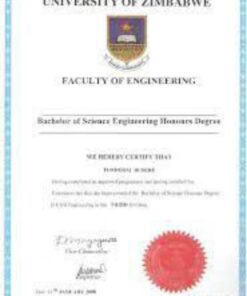
- University of Zimbabwe (UZ) – Established in 1952, UZ is the oldest and largest university in the country, offering a wide range of undergraduate and graduate programs in various fields such as law, business, health sciences, and engineering.
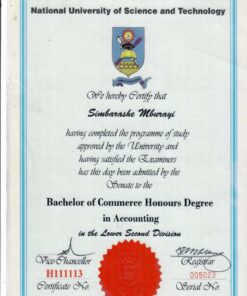
- National University of Science and Technology (NUST) – Located in Bulawayo, NUST specializes in science, technology, engineering, and applied sciences. It is renowned for its engineering, computer science, and business programs.
- Midlands State University (MSU) – Known for its strong programs in business, law, humanities, and social sciences, MSU is located in the city of Gweru.
- Chinhoyi University of Technology (CUT) – Focused on technological innovation and applied sciences, CUT offers programs in fields such as engineering, agriculture, and information technology.
- Great Zimbabwe University (GZU) – Located in Masvingo, GZU is a leading institution in the southern region, offering a range of programs across various disciplines, with a strong focus on community development and research.
Zimbabwe's universities are increasingly offering programs in English to cater to international students and to integrate into the global higher education network.
Importance of Accreditation
When considering studying in Zimbabwe or obtaining a degree from a Zimbabwean university, it is essential to ensure that the institution is accredited by the
Zimbabwe Council for Higher Education (ZIMCHE) or recognized international accrediting agencies. Accreditation ensures that the university meets both national and international academic standards and that the degree you earn will be respected by employers and educational institutions worldwide.
Whether you choose to study traditionally or explore non-traditional routes, accreditation guarantees the value and recognition of your qualifications.
Types of Degrees Offered in Zimbabwe
Zimbabwe’s universities offer a variety of academic degrees at the undergraduate, graduate, and doctoral levels, providing students with opportunities to specialize in a range of disciplines and prepare for careers in various industries.
Bachelor’s Degree from Zimbabwean Universities
A bachelor’s degree in Zimbabwe typically takes three to four years to complete. Popular programs include business administration, engineering, medicine, social sciences, education, and law. A bachelor’s degree from a Zimbabwean university provides students with the foundational knowledge and practical skills needed to enter the workforce or pursue postgraduate education.
Master’s Degree from Zimbabwean Universities
Master’s degree programs in Zimbabwe usually take one to two years to complete. These programs offer specialized knowledge in areas such as business, economics, engineering, health sciences, and law. Earning a master’s degree in Zimbabwe allows students to develop advanced skills, making them competitive candidates for senior positions in their chosen fields.
Diploma Programs from Zimbabwean Universities
Diploma programs in Zimbabwe are typically shorter in duration, usually taking one to two years to complete. These programs focus on practical skills in fields such as healthcare, business, and technology, enabling students to enter the workforce quickly with industry-specific qualifications.
PhD Doctorate Degree from Zimbabwean Universities
PhD programs in Zimbabwe generally take three to four years to complete. These research-oriented programs are for students interested in pursuing original research in their chosen field. A PhD from a Zimbabwean university prepares students for careers in academia, research, and leadership roles across various industries.
Honorary Doctorate Degree from Zimbabwean Universities
Honorary doctorates are awarded to individuals who have made significant contributions to society or their field of expertise. These degrees are conferred in recognition of outstanding achievements in business, education, science, or the arts, without the need for traditional coursework or research.
Professorship Degree from Zimbabwean Universities
A professorship degree is awarded to individuals who have demonstrated considerable expertise and leadership in their academic discipline. This degree allows individuals to engage in high-level teaching, research, and mentorship at universities and other academic institutions.
Professorship Honorary Degree from Zimbabwean Universities
A professorship honorary degree is conferred to distinguished individuals who have made exceptional contributions to academia and research. This degree recognizes their influence and leadership in higher education.
Transcript Certificate from Zimbabwean Universities
A transcript certificate from Zimbabwean universities records the courses taken, grades received, and degrees earned. Obtaining a transcript certificate is essential when applying for jobs, further education, or professional certifications.
Conclusion
Zimbabwe offers a dynamic and evolving higher education system, with numerous opportunities for students to pursue bachelor’s degrees, master’s degrees, and PhDs. The country’s universities are committed to providing high-quality education and fostering innovation, research, and global collaboration.
Studying in Zimbabwe offers a unique academic experience in a country rich in history, culture, and natural beauty. Whether you choose traditional study methods or explore alternative educational opportunities, Zimbabwe’s universities provide a solid foundation for academic and professional growth.
Future Prospects for Students in Zimbabwe
Zimbabwe is investing in its higher education sector to improve research capabilities, expand global collaborations, and enhance the quality of academic programs. Graduates from Zimbabwean universities are gaining recognition both regionally and internationally, with opportunities for careers in both the private and public sectors.
As Zimbabwe continues to strengthen its higher education system, students who study in the country can look forward to exciting career prospects and the chance to contribute to the nation’s development in key areas such as science, technology, education, and business.